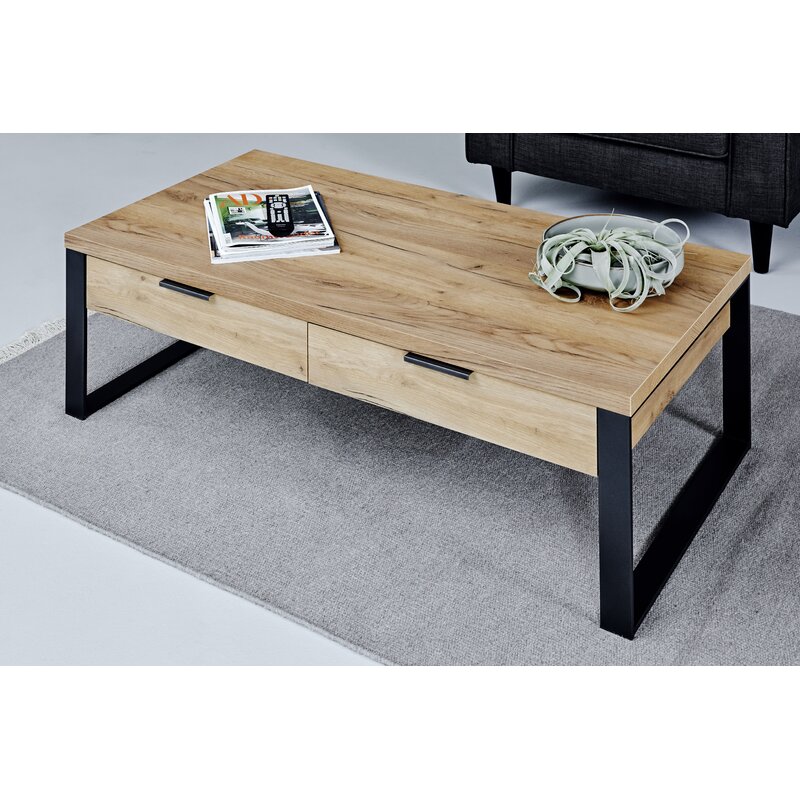
Solid Wood Coffee Tables vs. Polywood Coffee Tables: Why Solid Wood Reigns Supreme
2025-09-11

Solid Wood Coffee Tables vs. Polywood Coffee Tables: Why Solid Wood Reigns Supreme
Table of Contents
- Introduction: The Coffee Table Showdown
- Key Definitions: What Are Solid Wood and Polywood Coffee Tables?
- Head-to-Head Comparison: Solid Wood vs. Polywood Coffee Tables
- Expert Opinion: Why Designers Prefer Solid Wood Coffee Tables
- When Might Polywood Be a Consideration?
- Frequently Asked Questions (FAQs) About Solid Wood & Polywood Coffee Tables
1. Introduction: The Coffee Table Showdown
The coffee table is the heart of any living room—it holds your morning coffee, displays your favorite books, and ties together your decor. But when choosing between two popular options—solid wood coffee tables and polywood coffee tables—how do you decide which is right for you?
While polywood (a synthetic material made from recycled plastics and wood fibers) has gained traction for its low-cost appeal, solid wood coffee tables stand out for their durability, timeless beauty, and environmental responsibility. In this blog, we’ll break down the key differences between the two, highlight why solid wood is the superior choice for most homes, and share insights from design experts to help you make an informed decision.
2. Key Definitions: What Are Solid Wood and Polywood Coffee Tables?
Before diving into the comparison, let’s clarify what each type of coffee table is:
Solid Wood Coffee Tables
A solid wood coffee table is crafted entirely from natural wood (e.g., oak, walnut, maple, or teak) sourced from real trees. Unlike “wood-veneer” tables (which have a thin layer of wood over composite material), solid wood tables use thick, full pieces of wood, making them sturdy and authentic. Each solid wood table has unique grain patterns, knots, and color variations—no two are exactly alike.
Polywood Coffee Tables
Polywood (short for “polyethylene wood”) is a man-made material composed of recycled plastic (often from bottles or containers) mixed with wood fibers or fillers. Polywood coffee tables are designed to mimic the look of wood but are lightweight and typically more affordable. They’re often marketed as “low-maintenance” due to their resistance to moisture and scratches.

3. Head-to-Head Comparison: Solid Wood vs. Polywood Coffee Tables
To understand why solid wood coffee tables outperform polywood alternatives, let’s compare them across five critical categories:
3.1. Durability & Longevity
- Solid Wood Coffee Tables: Solid wood is one of the most durable materials for furniture. A well-cared-for solid wood coffee table can last for decades—even generations. It resists dents, scratches, and warping better than polywood, and if damage does occur (e.g., a small scratch), it can be sanded, stained, or refinished to look like new. For example, an oak solid wood coffee table can withstand daily use by kids or pets without showing significant wear.
- Polywood Coffee Tables: Polywood is resistant to moisture (making it suitable for outdoor use), but it’s less durable indoors. Over time, polywood can fade in sunlight, crack from extreme temperatures, or become brittle with heavy use. It cannot be refinished—once it’s damaged, the only solution is to replace the table. Most polywood coffee tables need to be replaced every 5–7 years, compared to 20+ years for solid wood.
3.2. Aesthetic Appeal & Warmth
- Solid Wood Coffee Tables: The natural beauty of solid wood is unmatched. Its unique grain patterns, warm tones, and organic texture add depth and character to any living room. Solid wood tables complement a wide range of decor styles—from rustic and traditional to modern and minimalist. They also age gracefully: over time, the wood develops a “patina” (a soft, worn finish) that enhances its charm, making it even more visually appealing.
- Polywood Coffee Tables: While polywood can mimic the color of wood, it lacks the authentic grain and warmth of natural wood. Its surface often looks flat or “plastic-like,” and the color is uniform (no unique variations). Polywood tables can feel cheap or generic, and they rarely add the same cozy, inviting vibe that a solid wood table brings to a space.
3.3. Sustainability & Environmental Impact
- Solid Wood Coffee Tables: When sourced responsibly (e.g., from FSC-certified forests), solid wood coffee tables are highly sustainable. Responsible forestry practices ensure that for every tree cut down, new trees are planted, maintaining ecological balance. Solid wood is also 100% biodegradable—at the end of its life, it can be recycled or composted, leaving no harmful waste. Additionally, solid wood tables don’t release toxic chemicals (unlike polywood, which may off-gas small amounts of plastics over time).
- Polywood Coffee Tables: While polywood uses recycled plastic (which reduces landfill waste), it’s still a synthetic material that doesn’t biodegrade. At the end of its life, polywood often ends up in landfills or incinerators, where it can release microplastics or pollutants. It also requires energy-intensive manufacturing processes (melting and molding plastic), which have a higher carbon footprint than processing natural wood.
3.4. Maintenance & Care
- Solid Wood Coffee Tables: Many people assume solid wood requires high maintenance—but that’s a myth. Basic care (wiping up spills with a damp cloth, avoiding direct sunlight for long periods, and using coasters for hot drinks) is all it takes to keep a solid wood coffee table in great shape. Unlike polywood, solid wood can be repaired if damaged: a scratch can be fixed with wood polish, and a water stain can be removed with a gentle cleaner.
- Polywood Coffee Tables: While polywood is marketed as “low-maintenance,” it has its own issues. It’s prone to fading in sunlight (so it may need to be covered if placed near a window) and can absorb stains from dark liquids (e.g., wine or coffee) if not cleaned immediately. Additionally, polywood can’t be repaired—if it cracks or fades, you’ll need to replace the entire table.
3.5. Comfort & Tactile Experience
- Solid Wood Coffee Tables: There’s something inherently comforting about the feel of solid wood. It’s cool to the touch in summer and warm in winter, unlike polywood (which can feel sticky in heat or cold in winter). The weight of a solid wood table also gives it a stable, grounded feel—you won’t have to worry about it tipping over if someone leans on it.
- Polywood Coffee Tables: Polywood has a plastic-like texture that can feel unpleasant to the touch, especially in extreme temperatures. It’s also lightweight, which makes it easy to move but can make it feel flimsy or unstable.
4. Expert Opinion: Why Designers Prefer Solid Wood Coffee Tables
To validate our comparison, we spoke with Lila Moore, a renowned interior designer with 20 years of experience in residential decor. Here’s what she had to say about the solid wood vs. polywood debate:
“Every time a client asks me to recommend a coffee table, I prioritize solid wood—and here’s why: Solid wood brings a level of authenticity and warmth that polywood simply can’t replicate. In a living room, furniture should feel like it has ‘soul,’ and solid wood’s unique grain and patina do exactly that. I’ve had clients with solid wood coffee tables that their parents or grandparents owned—pieces that have been refinished once or twice and still look stunning. Polywood, on the other hand, feels disposable. It fades, cracks, and lacks character, and I’ve never had a client tell me they love their polywood table the way they love their solid wood one.
Sustainability is another factor. My clients are increasingly focused on eco-friendly choices, and solid wood (when sourced responsibly) is far more sustainable than polywood. It’s a long-term investment that pays off in both beauty and durability.”
5. When Might Polywood Be a Consideration?
While solid wood is the better choice for most indoor spaces, polywood can be a practical option in specific scenarios:
- Outdoor Use: Polywood’s resistance to moisture and insects makes it suitable for patios or decks (solid wood requires special treatment for outdoor use).
- Temporary Spaces: If you’re renting or living in a space short-term, a low-cost polywood table may be a budget-friendly stopgap (but it won’t last long).
- High-Moisture Areas: In rooms with extreme humidity (e.g., a sunroom with poor ventilation), polywood may resist warping better than untreated solid wood (though treated solid wood can still work).
Even in these cases, however, solid wood (with proper treatment) can be a longer-lasting alternative.
6. Frequently Asked Questions (FAQs) About Solid Wood & Polywood Coffee Tables
Q1: Are solid wood coffee tables more expensive than polywood ones?
A: Yes, solid wood coffee tables typically have a higher upfront cost (ranging from $300–$1,500, depending on the wood type) compared to polywood (usually $100–$400). But solid wood is a better long-term investment—you’ll save money by not replacing it every 5–7 years, and it may even increase in value (especially if made from rare woods like teak).
Q2: Can solid wood coffee tables be used outdoors?
A: Most solid wood coffee tables are designed for indoor use, but some (e.g., teak or cedar) can be used outdoors if treated with a weatherproof finish. Untreated solid wood will warp or rot in moisture, so outdoor use requires regular maintenance (reapplying finish every 1–2 years). Polywood is easier for outdoor use but lacks the beauty of solid wood.
Q3: How do I clean and maintain a solid wood coffee table?
A: Clean spills immediately with a soft, damp cloth (avoid harsh cleaners like bleach). Dust regularly with a microfiber cloth. To prevent warping, keep the table away from radiators or air conditioners. Every 1–2 years, apply a wood conditioner or wax to keep the wood hydrated.
Q4: Does polywood look exactly like solid wood?
A: No. Polywood can mimic the color of wood, but it lacks the unique grain patterns, knots, and texture of natural solid wood. Up close, polywood often has a smooth, plastic-like surface that looks artificial. Solid wood’s natural variations are part of its charm—no two tables are the same.
Wooden Office Desks: The Epitome of Durability, Fashion, and Comfort