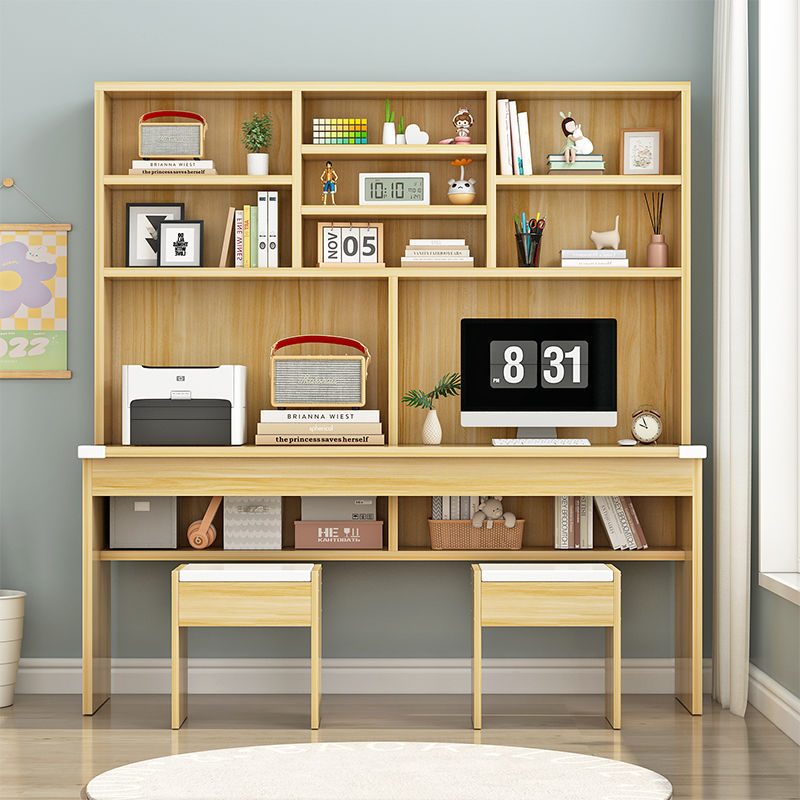
Long Wooden Desks vs. Multi-layer Board Computer Desks: Why Solid Wood Reigns for Style & Durability
2025-09-27
我会先检查代码中目录链接与标题锚点的匹配问题,修正链接路径使其指向正确锚点,同时优化图片显示、表格样式和文本排版,确保点击目录能精准跳转到对应标题,提升页面整体观感和实用性。


Long Wooden Desks vs. Multi-layer Board Computer Desks: Why Solid Wood Reigns for Style & Durability
Table of Contents
- Introduction: The Rise of Functional & Stylish Desks
- What Makes a Long Wooden Desk Stand Out?
- Multi-layer Board Computer Desks: Pros & Cons
- Head-to-Head Comparison: Long Wooden Desk vs. Multi-layer Board Computer Desk
- Expert Insights: Why Designers Prefer Long Wooden Desks
- FAQs: Common Questions About Long Wooden & Multi-layer Board Desks
- Conclusion: Is a Long Wooden Desk Right for You?
Introduction: The Rise of Functional & Stylish Desks
In today’s home and office spaces, desks are no longer just functional pieces—they’re central to defining the aesthetic of a room while meeting daily needs, from working on a laptop to organizing paperwork or displaying decor. Two popular options dominate the market: the long wooden desk (a favorite for its warmth and versatility) and the Multi-layer Board Computer Desk (a budget-friendly, space-saving choice). This blog dives into what makes the long wooden desk a standout, how it compares to multi-layer board alternatives, and why it’s often the top pick for those prioritizing style, durability, and long-term value.
What Makes a Long Wooden Desk Stand Out?
A long wooden desk—typically crafted from solid wood like oak, walnut, or maple—combines functionality with natural beauty. Unlike generic desks, it’s designed with an extended surface (often 150cm or longer) to accommodate multiple tasks, making it ideal for home offices, study nooks, or even open-concept living spaces. Below are its key advantages:
2.1 Timeless Aesthetics & Natural Charm
Solid wood brings a unique, organic appeal that no man-made material can replicate. Each long wooden desk features distinct grain patterns, knots, and color variations, ensuring no two pieces are identical. This natural character complements a range of interior styles, from rustic and Scandinavian to modern minimalist. Whether paired with a leather chair in a home office or a set of vintage drawers in a study, a wooden desk adds warmth and sophistication, avoiding the “mass-produced” look of multi-layer board options.
2.2 Unmatched Durability & Longevity
One of the biggest selling points of a long wooden desk is its durability. Solid wood is resistant to scratches, dents, and daily wear—especially when treated with a protective finish like polyurethane or beeswax. Unlike multi-layer boards (which can warp or delaminate if exposed to moisture), a well-maintained wooden desk can last for decades, even generations. “Solid wood furniture is an investment in longevity,” says Emma Carter, a renowned interior designer with 15 years of experience. “A quality long wooden desk won’t need replacing every 3-5 years like cheaper multi-layer alternatives—it ages gracefully, developing a unique patina over time.”
2.3 Spacious Surface for Versatile Use
The “long” in long wooden desk isn’t just for show—it’s a practical feature. With an extended surface (often 180cm-240cm), these desks can easily fit a laptop, a second monitor, a lamp, a stack of books, and even decorative items like potted plants or a desk organizer. This makes them perfect for:
- Remote workers who need room for multiple devices
- Students juggling textbooks and note-taking
- Creatives (artists, writers) who need space to spread out materials
- Homeowners who want a desk that doubles as a display or entertaining surface (e.g., serving snacks in a living room)
Multi-layer Board Computer Desks: Pros & Cons
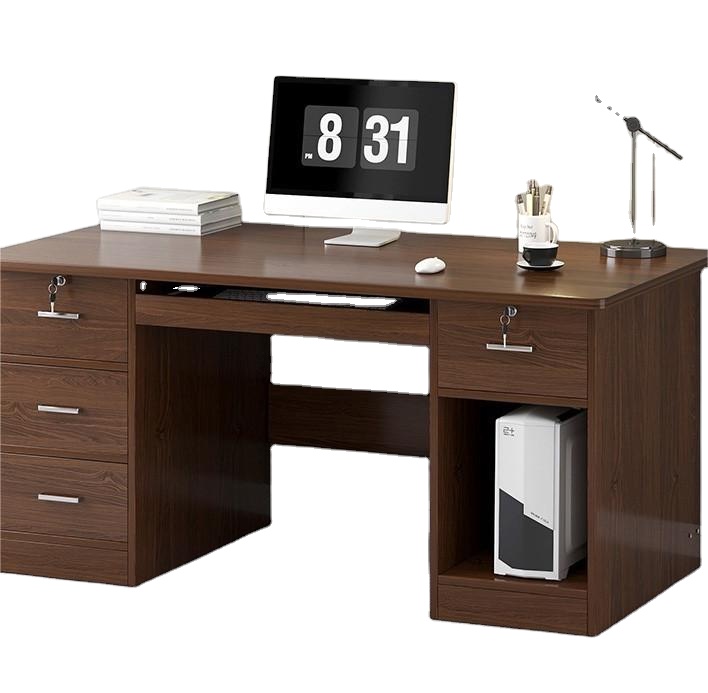
Multi-layer Board Computer Desks (also known as particleboard or MDF desks) are made by pressing wood fibers or particles together with adhesive, then covering them with a veneer or laminate. They’re a common choice for budget-conscious shoppers, but they come with trade-offs:
Pros:
- Affordability: Multi-layer board desks are significantly cheaper than solid wood options, making them ideal for temporary use (e.g., a student dorm) or those on a tight budget.
- Lightweight: They’re easier to move and assemble than heavy solid wood desks, which is a plus for renters or people who rearrange furniture often.
- Low-Maintenance: The laminate or veneer surface resists stains and is easy to wipe clean with a damp cloth.
Cons:
- Poor Durability: Multi-layer boards are prone to warping, chipping, and delamination—especially if exposed to water (e.g., a spilled coffee). Even minor scratches can reveal the cheap wood fibers underneath.
- Generic Look: Most multi-layer board desks have a uniform, synthetic appearance. The veneer often looks fake, and they lack the natural character of solid wood.
- Limited Weight Capacity: They can only support light to moderate weight (usually 20-30kg). Placing heavy items like a large monitor or a stack of books may cause the surface to sag over time.
Head-to-Head Comparison: Long Wooden Desk vs. Multi-layer Board Computer Desk
To help you decide which desk fits your needs, here’s a side-by-side breakdown:
| Feature | Long Wooden Desk | Multi-layer Board Computer Desk |
|---|---|---|
| Material | Solid wood (oak, walnut, maple, etc.) | Wood fibers/particles + adhesive + veneer |
| Aesthetics | Unique grain patterns, natural warmth, timeless | Uniform, synthetic look, limited style options |
| Durability | High (lasts decades; resistant to wear) | Low (wears out in 3-5 years; prone to warping) |
| Weight Capacity | High (supports 50kg+ easily) | Low (20-30kg max) |
| Maintenance | Needs occasional refinishing (e.g., every 5-10 years) | Easy to wipe clean; no refinishing possible |
| Cost | Higher (investment piece: $300-$1,000+) | Lower (budget-friendly: $50-$200) |
| Sustainability | Eco-friendly (if sourced from FSC-certified forests) | Less sustainable (uses adhesive; often non-recyclable) |
Expert Insights: Why Designers Prefer Long Wooden Desks
For professionals who design functional, beautiful spaces, the long wooden desk is a go-to choice. “Clients often ask me to balance style and practicality, and a long wooden desk delivers on both,” says Mark Wilson, a furniture designer specializing in home office setups. “Unlike multi-layer board desks, which can make a room feel cheap, a solid wood desk becomes a focal point—it adds texture and depth, making the space feel intentional.”
Wilson also notes that the versatility of long wooden desks is a key advantage. “I’ve used them in everything from small apartments (paired with slim chairs to save space) to large home offices (as a central work surface). They adapt to different styles, and their durability means clients won’t have to replace them anytime soon. Multi-layer board desks, on the other hand, are often a ‘quick fix’—they work for a year or two, but they don’t add long-term value to a home.”
Another expert, sustainability consultant Lisa Green, emphasizes the eco-friendly benefits of solid wood. “FSC-certified long wooden desks are made from renewable resources, and they’re biodegradable at the end of their life. Multi-layer board desks, however, contain synthetic adhesives that can release VOCs (volatile organic compounds) into the air, and they’re hard to recycle. For clients who care about sustainability, solid wood is the clear choice.”
FAQs: Common Questions About Long Wooden & Multi-layer Board Desks
Q1: Is a long wooden desk hard to maintain?
A: Not at all! To keep a long wooden desk in good shape, simply wipe up spills immediately, dust regularly with a soft cloth, and refinish it with a protective oil or wax every 5-10 years (depending on use). Avoid placing it in direct sunlight (to prevent fading) or near radiators (to prevent drying).
Q2: Can a multi-layer board computer desk support a large monitor?
A: It depends on the desk’s weight capacity. Most basic multi-layer board desks can support a
2 Person L Shaped Desk: Spacious, Durable & Affordable Study Solution for Students